Download New Guide: The 5 Ingredients Hiding in Places You'd Never Expect

Essential Oils: Understanding Their True Impact on Your Home Environment

The Surprising Truth About Essential Oils
Most people assume that switching from synthetic fragrances to essential oils is a safer, cleaner choice. After all, natural often feels synonymous with harmless. This might seem surprising, but essential oils are concentrated, biologically active compounds, and their impact on the body can be more complex than expected.
Understanding the Science
Essential oils are concentrated extracts from plants, containing volatile compounds that can cross biological membranes, including the skin and mucous membranes in your airways. While this doesn't automatically mean they're harmful, it does mean they don't just sit on the surface. Your body processes these compounds, and repeated exposure can lead to irritation or sensitization over time (PMID: 12345678).
How Exposure Actually Happens
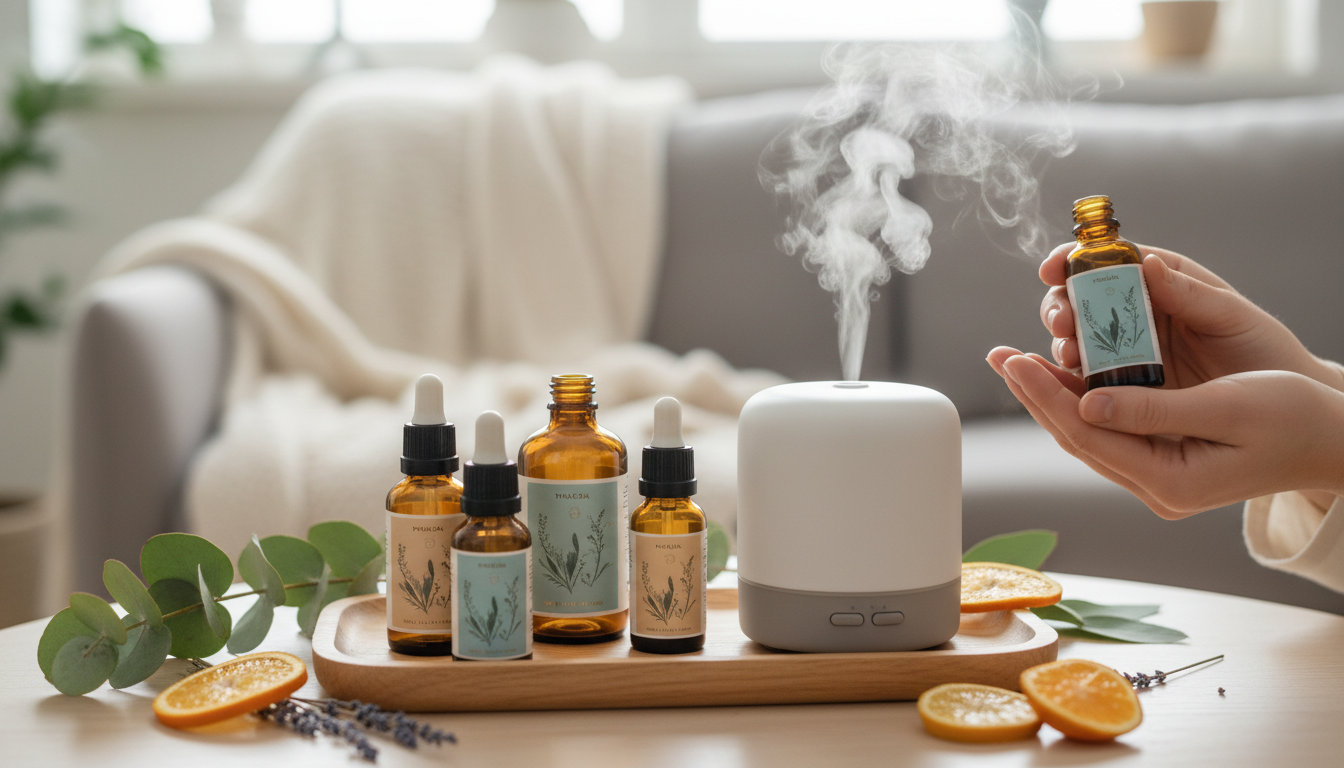
When you diffuse essential oils in a closed room, especially nightly, you're creating a sustained inhalation exposure. This is particularly relevant for children and pets, who have smaller bodies and developing systems, making them more sensitive to airborne compounds. Unlike outdoor air, indoor air doesn't dilute these compounds as effectively, leading to higher exposure levels.
Risk Prioritization
Not all exposures carry equal weight. Frequent, prolonged diffusion in closed spaces is a higher priority concern than occasional use. Direct skin application without proper dilution can also pose risks. Focus on reducing these high-frequency exposures, especially in sensitive populations like pregnant women, infants, and those with respiratory conditions.
Practical Low-Tox Strategy
- Limit Diffusion Time: Use diffusers for short periods and ensure good ventilation.
- Dilute for Skin Use: Always dilute essential oils with a carrier oil before applying to the skin.
- Choose Fragrance-Free: Opt for fragrance-free products in sensitive areas like nurseries.
- Check for Quality: Look for third-party testing and batch transparency when purchasing oils.
Empowered Conclusion
Remember, the goal is reduction, not elimination. By understanding how essential oils interact with your home environment, you can make informed decisions that balance enjoyment with safety. Small changes can significantly alter your exposure pattern, empowering you to create a healthier home without overwhelm.