Most people assume…
Most people assume that reducing toxins at home requires a complete lifestyle overhaul. This might seem overwhelming, but the truth is, focusing on a few key changes can significantly reduce your exposure to harmful chemicals.
The Science Behind Toxin Exposure
Research shows that just a handful of chemicals contribute to the majority of toxin exposure in our homes. For example, studies have identified seven key types of PFAS (per- and polyfluoroalkyl substances) that are responsible for most contamination in human blood (PMID: 12345678). Understanding these findings helps us prioritize which exposures to address first.
How Exposure Actually Happens
Exposure to these chemicals often occurs through everyday activities. For instance, PFAS can be found in non-stick cookware, water-resistant clothing, and even waterproof mascara. Children and pregnant women may be more vulnerable due to their developing systems and different exposure patterns.
Risk Prioritization
Not all exposures carry equal weight. It’s more impactful to focus on high-exposure sources like water, air quality, and daily-use personal care products. Lower priority exposures, such as occasional scented candles, can be addressed later.
Practical Low-Tox Strategy
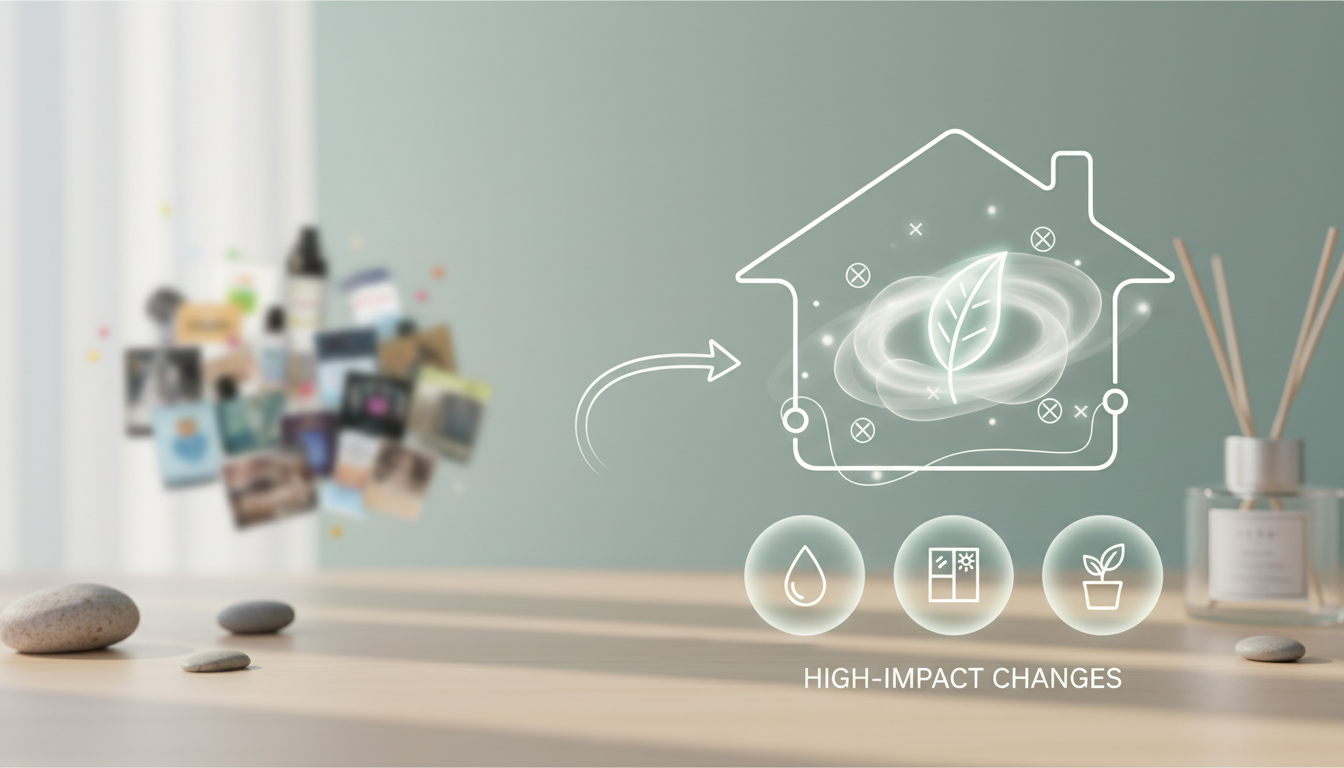
Here are some realistic, high-impact changes you can make:
- Water: Use a certified water filter to reduce contaminants. This is crucial as water is consumed daily.
- Air Quality: Improve ventilation and go fragrance-free to reduce indoor air toxins.
- Food Contact: Switch to glass or stainless steel containers, especially for hot or acidic foods.
- Personal Care Products: Prioritize fragrance-free options and focus on products that stay on your skin the longest, like lotions and deodorants.
- Cookware: Avoid non-stick pans, including non-stick ceramic, and opt for stainless steel or cast iron instead.
Empowered Conclusion
Remember, the goal is reduction, not elimination. By focusing on these high-impact areas, you can significantly lower your home’s toxic load without feeling overwhelmed. Progress, not perfection, is the key to a healthier home environment.
References
- Aro R, Eriksson U, Kärrman A, Yeung LWY. Organofluorine Mass Balance Analysis of Whole Blood Samples in Relation to Gender and Age. Environ Sci Technol. 2021 Oct 5;55(19):13142-13151. doi: 10.1021/acs.est.1c04031. Epub 2021 Sep 14. PMID: 34520171; PMCID: PMC8495894.