Download New Guide: The 5 Ingredients Hiding in Places You'd Never Expect

5 Clean Beauty Mistakes That May Be Aging Your Skin – And How to Fix Them

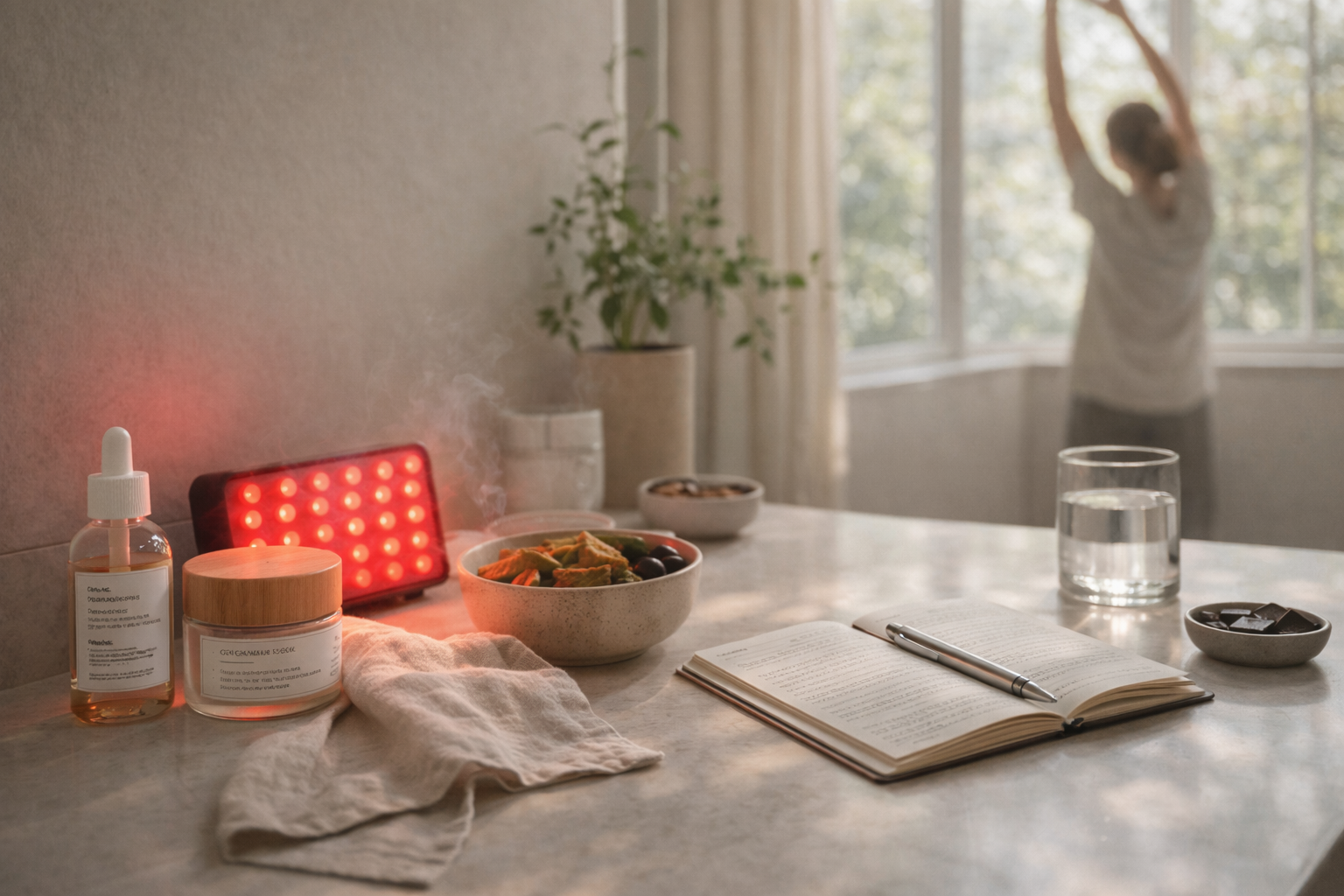
You care deeply about reducing toxin exposure in your beauty routine. But what if some of your well-intentioned habits are actually making your skin age faster? As a PhD toxicologist with decades of research on everyday chemicals, I see hidden risks in modern clean skincare, with real impact on how your skin looks and feels. Let’s break down five common mistakes and practical science-backed solutions, so you can defy skin aging from the inside out.
1. Overusing Active Skincare Ingredients
It’s tempting to layer vitamin C serums, retinol, acids, or weekly peels for the ultimate routine. But too much of a good thing can backfire. Overlapping potent actives without recovery time leads to irritation, weakens your skin barrier, and accelerates aging. More isn’t always better. Irritated skin is more susceptible to environmental toxins and inflammation, which drives visible aging.
- Fix: Build in “rest days” just like with workouts. Rotate ingredients, focus on barrier-supporting products with ceramides or squalane, and give your skin time to repair.
2. Trusting “Clean” Labels Without Reading Ingredients
Organic cleansers and DIY body butters are great steps. But even brands labeled “clean” may list “fragrance” or “parfum” on the label, umbrella terms that can hide allergens, irritants, or hormone-disruptors like phthalates. New research links phthalate exposure to higher biological aging scores, meaning your skin and body age faster. Fragrance loopholes allow synthetic additives even in otherwise natural-looking products.
- Fix: Go fragrance-free. Avoid vague ingredients like “fragrance” or “parfum.” Check the EWG Skin Deep database and always review ingredient lists for hidden disruptors.
3. Skipping Mitochondrial Support for Your Skin
The health of your mitochondria, the tiny engines in your cells, directly influences collagen production, skin repair, and resilience. Environmental toxins, stress, and aging all slow mitochondrial function, leading to tired and fragile skin.
- Fix: Try red light therapy at 660 nanometers, a clinically proven way to stimulate collagen and accelerate healing. Consistency matters, so use a third-party-tested device for safety and effectiveness. Also, support mitochondria with nutrient-rich food, quality sleep, and natural morning sunlight.
4. Ignoring Internal Triggers: Stress and Blood Sugar
Healthy skin starts inside. Chronic stress raises cortisol, which dulls your complexion and slows healing. Irregular blood sugar causes spikes that form compounds (advanced glycation end-products) which harden collagen and cause sagging.
- Fix: Lower stress daily through quiet time, journaling, meditation, or gentle walks. Stabilize blood sugar by eating protein and fiber at each meal, minimizing sugary snacks, and keeping meal times regular.
5. Relying Only on Topical Solutions
No serum or cream can reverse high internal inflammation. Visible skin health reflects what’s happening inside your body: nutrition status, hormonal balance, and nervous system health all shape how your skin ages.
- Fix: Take a whole-body approach. Prioritize restorative sleep, deeply nourishing foods, and toxin reduction in your environment—not just in your products. Your skin’s resilience depends on addressing both internal and external factors.
The Bottom Line: Clean Beauty Is More Than a Label
True skin health is built from the inside out. Mistakes like over-exfoliating, trusting vague ingredient labels, or skipping mitochondrial support are common, but fixable. Start with careful ingredient reading, build in recovery time, support your mitochondria, and adopt restorative daily habits. These practical steps will support younger, healthier skin, without wasting money or falling for marketing hype.
If you’re committed to defying aging, remember: the path to radiant skin is a balance of smart ingredients, stress management, and whole-body wellness. Your daily habits shape your long-term results. What will you change in your routine today?
Dr. Yvonne’s Favorite Low Tox Makeup
Links provided on this page are affiliate links, which means if you click on it and make a purchase I may earn commission. The commission comes at no cost to you and allows me to continue my research. Note- I only recommend products that I personally use and/or trust. I will always disclose whether a link is an affiliate link, and never recommend products solely for the purpose of commission.
🚨 Lumebox Pro Red Light Therapy Device $260 off with this link 👈🏼
References
- https://doi.org/10.1016/j.ecoenv.2024.116438
- Vidali S, Feichtinger RG, Emberger M, Brunner SM, Gaisbauer S, Blatt T, Smiles WJ, Kreutzer C, Weise JM, Kofler B. Ageing is associated with a reduction in markers of mitochondrial energy metabolism in the human epidermis. Exp Dermatol. 2023 Jun;32(6):900-905. doi: 10.1111/exd.14778. Epub 2023 Mar 3. PMID: 36851889.
- Wunsch A, Matuschka K. A controlled trial to determine the efficacy of red and near-infrared light treatment in patient satisfaction, reduction of fine lines, wrinkles, skin roughness, and intradermal collagen density increase. Photomed Laser Surg. 2014 Feb;32(2):93-100. doi: 10.1089/pho.2013.3616. Epub 2013 Nov 28. PMID: 24286286; PMCID: PMC3926176.
- Li WH, Seo I, Kim B, Fassih A, Southall MD, Parsa R. Low-level red plus near infrared lights combination induces expressions of collagen and elastin in human skin in vitro. Int J Cosmet Sci. 2021 Jun;43(3):311-320. doi: 10.1111/ics.12698. Epub 2021 May 25. PMID: 33594706.
- Nguyen HP, Katta R. Sugar Sag: Glycation and the Role of Diet in Aging Skin. Skin Therapy Lett. 2015 Nov;20(6):1-5. PMID: 27224842.